13-April-26
Across civilizations, humans have always sought to understand their life purpose, challenges, and destiny. Long before modern psychology and data-driven predictions, ancient knowledge systems provided deep insights into the human journey. These systems, developed through spiritual practices, observation, and intuition, continue to guide people even today.
Among the most fascinating of these traditions are systems like Nadi Astrology, associated with sages such as Agastya. These ancient methods aim to decode a person’s life path by connecting past karma, present circumstances, and future possibilities into a meaningful narrative.
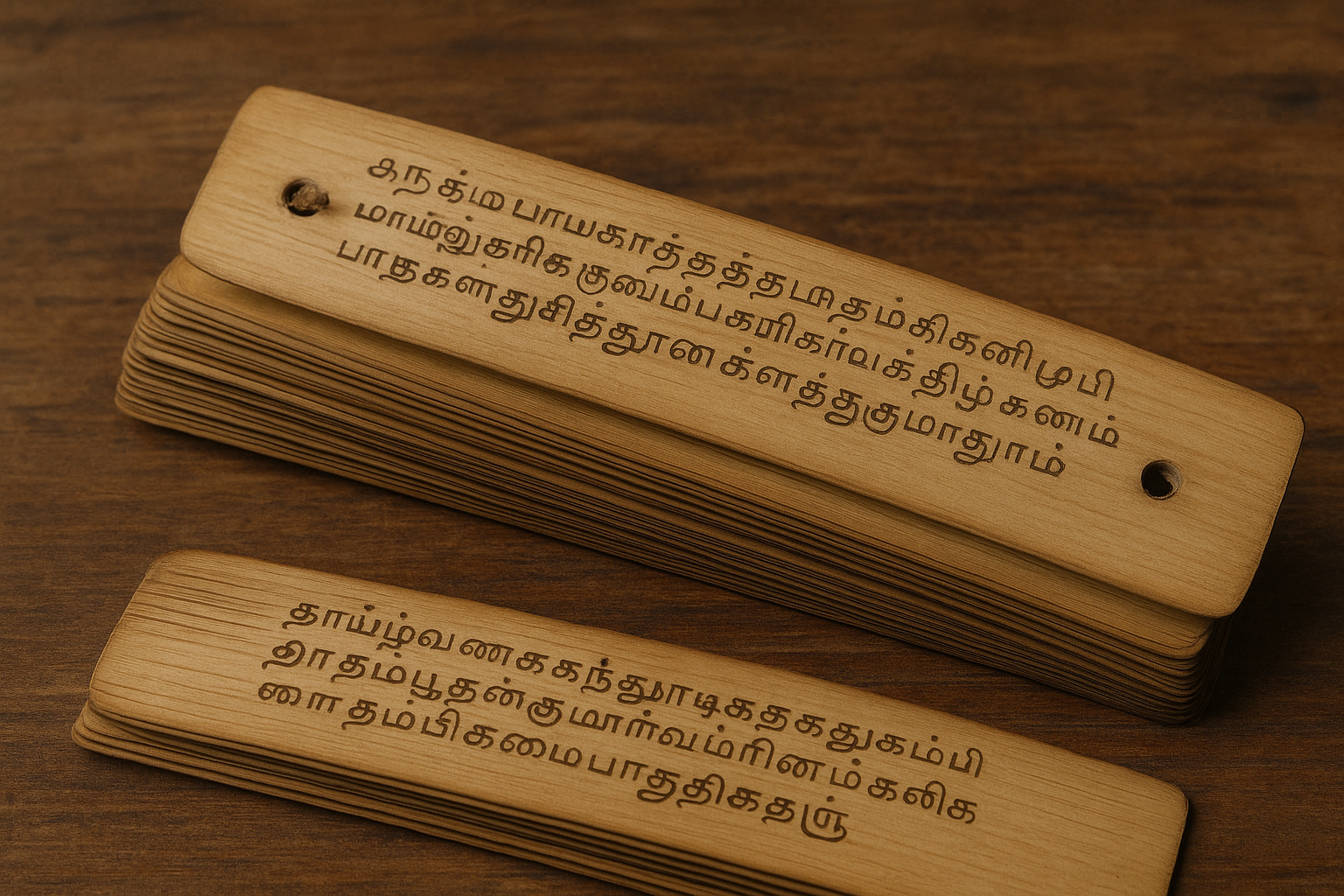
Ancient knowledge systems refer to traditional methods of understanding life, nature, and human existence. These systems were developed thousands of years ago and passed down through generations.
They include practices such as:
Astrology and planetary analysis
Palm leaf readings
Numerology and symbolic interpretation
Meditation and spiritual insight
Unlike modern sciences, these systems focus on both material and spiritual aspects of life, offering a holistic perspective.
Every individual has a unique life journey shaped by experiences, choices, and circumstances. Ancient systems view this journey as part of a larger cosmic design.
They believe that life is not random but influenced by:
Past actions (karma)
Planetary movements
Spiritual purpose
By decoding these elements, ancient knowledge systems provide a deeper understanding of life events.
Nadi Astrology is one of the most detailed ancient systems for understanding personal journeys. It is believed that sages like Agastya recorded the destinies of individuals on palm leaves.
These readings include:
Personal identification details
Life events and timelines
Challenges and opportunities
Remedies for improvement
The process involves matching a person’s thumb impression with the corresponding palm leaf, ensuring a highly personalized reading.
Karma is central to most ancient knowledge systems. It explains why certain events happen and how past actions influence the present.
Karma affects:
Relationships and family life
Career and financial situations
Health and well-being
By understanding karma, individuals can make better choices and avoid repeating past mistakes.
Timing plays a crucial role in decoding a personal journey. Ancient systems emphasize that every action has the right time.
They help identify:
Favorable periods for success
Times to avoid risks
Moments for important decisions
This understanding allows individuals to align their actions with cosmic timing.
Ancient knowledge systems recognize patterns in life. These patterns often repeat in cycles and influence behavior and outcomes.
For example:
Recurring challenges in relationships
Repeated financial ups and downs
Cycles of growth and stagnation
By identifying these patterns, individuals can break negative cycles and create positive change.
One of the most practical benefits of ancient systems is guidance in decision-making. They provide clarity when individuals face confusion or uncertainty.
This guidance can help in:
Choosing the right career path
Making relationship decisions
Planning financial strategies
Instead of guesswork, individuals can make informed choices based on deeper insights.
Ancient knowledge systems do not just identify problems—they also provide solutions. Remedies are an essential part of these systems.
Common remedies include:
Spiritual rituals (Poojas)
Mantra chanting
Charity and good deeds
Meditation and discipline
These practices aim to balance negative influences and improve life outcomes.
Decoding a personal journey is not just about external success. It also involves inner growth and self-awareness.
Ancient systems encourage individuals to:
Understand their emotions
Develop patience and resilience
Align with their spiritual purpose
This leads to a more balanced and fulfilling life.
Despite technological advancements, ancient knowledge systems remain relevant. Many people turn to them for guidance when modern methods fall short.
Their continued relevance comes from:
Deep understanding of human nature
Holistic approach to life
Ability to provide personalized insights
They offer answers that go beyond logic, addressing emotional and spiritual needs.
There are several misconceptions surrounding these systems. Some people believe they are purely based on superstition.
In reality, they are structured systems developed through centuries of observation and practice.
Another misconception is that they predict everything exactly. In truth, they provide guidance rather than fixed outcomes.
Understanding these points helps in approaching them with the right mindset.
Ancient knowledge systems work best when combined with modern thinking. They should not replace practical efforts but complement them.
Individuals can:
Use insights for guidance
Apply logical reasoning
Take action based on both
This balanced approach ensures better results in life.
Anyone seeking clarity, direction, or deeper understanding can benefit from ancient knowledge systems.
They are especially useful for:
People facing major life decisions
Individuals dealing with recurring challenges
Those interested in spiritual growth
Entrepreneurs and professionals seeking guidance
Ancient knowledge systems offer a profound way to decode your personal journey. By connecting karma, timing, and life patterns, they provide insights that help individuals navigate life with clarity and confidence.
The wisdom of sages like Agastya continues to guide people even today. When approached with an open mind and balanced thinking, these systems become powerful tools for self-discovery and growth.
Ultimately, your journey is a combination of destiny and choice. Ancient knowledge systems help you understand the map—but it is up to you to decide how to travel the path.
They are traditional methods like astrology, Nadi readings, and numerology that provide insights into life and destiny.
They analyze karma, planetary influences, and life patterns to explain past, present, and future events.
They are based on ancient practices and observations rather than modern scientific validation.
They provide guidance and timing insights, but outcomes can change based on individual actions.
No, they should be used alongside practical thinking and real-life decision-making.

Dr.A.Sivasamy,
Sri Agasthiya Mahasiva Sukshma Nadi Jothida Nilayam ,
S/O V.S.Arul Siva Arumugam,
18, Milladi Street, Mayiladuthurai District,
Railway station Road, Opp Indian Bank,
VaitheeswaranKoil - 609 117,
Tamilnadu, South India.
04364 279463 |
+91 93 62 22 77 79 |
+91 94 89 25 69 05.
sivasamee@hotmail.com | sivasamee@yahoo.com