17-September-25
(Planet Venus) at Kanjanoor, Thiruvidaimaruthur, Thanjavur District, Southern Tamilnadu.
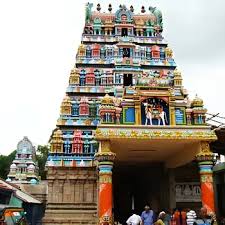
Place of the Temple: Kanjanoor (Village)
Taluk: Thiruvidaimaruthur
District: Thanjavur
How to Reach the Temple: There are frequent trains and buses are available from Chennai to Mayiladuthurai. There are buses, cars and autos at frequent service from Mayiladuthurai to Kanjanoor.
Food and Accommodation, (Ac/ Non Ac) are available in Mayiladuthurai Town.
Time of the Temple: 7 am – 12.30 pm, 4pm – 8pm
God of the Temple: Agniswarar
Goddess of the Temple: Karpahambihai
Monumental Tree: Palas Tree (Purasai Maram)
Holy Ponds (Punnia Theertham): Agni Theertham and Parasara Theertham.
Significance about the Temple: Sukra Dhosha Nivarthi Sthala (Temple for
Redemption/salvation from Sukra Dhosha)
Festival: Masimaham (a festival in the Tamil Month, Masi)
Other Temples for Lord Sukra Worship: Sri Ranganadhar Temple. Srirangam,
Thiruchirappalli.
Gem: Diamond
Color: White
History of the Temple:
It is believed that Lord Shiva blesses his devotees through the Sthala virutcham (Monumental Tree) with the name Agneeshwara in this temple. Lord Sukra does not have a separate temple inside. Lord Agneeshwarar himself as Lord Sukra and blesses the devotees. The statue of the Lord Shiva’s devotees, Serar and Kalikamar is seen in the temple. History says that Lord Shiva himself received fruits from His devotees in this temple.
Lord Bairava, Lord Soorian (Sun), Lord Sani (Saturn), and Lord Chandra (Moon) are together bless the devotees is special in this temple.
Lord Shiva blesses in the form of Ardhanarishwarar and it is the temple where Lord Parasuramar achieved emancipation after worshipping Lord Shiva during His dance performance.
This Kanjanoor temple in the past was known as the place of two temples. Goddess Umayammai appears in Her wedding dress. The Goddess, Umayammai has a separate temple inside and it is facing the eastern side. It is considered as the great feature of Goddess of the cosmic. The Pillar (Dwajasthambam) in the front yard of the temple gives us another historical account encountered here.
Temple history says that once a Brahmin brought gross and threw it on the temple cow. Unfortunately the cow died on the spot. The villagers immediately sent off the Brahmin from the temple. Then the Brahmin said about his mistake to a person named, Harasatta. Hasaratta directed the Brahmin to feed the Nandhi which is in form of statue near the temple pillar. The Nandhi ate the gross when it was given by the Brahmin. Everyone surprised at the disappearance of the gross placed in front of the Nandhi. In the end the Brahmin was forgiven and the villagers took him back to the temple work. It is a story goes on here for several ages.
Other Names of the Temple: Palasavaram, Parasapuram, Agnipuram, Hamsapuram, Mukthipuram, Mokshapuram and Brahmapuram.
There are many evidences about the architecture of this temple in the inscription seen in the Chola and Vijayanagara empires. Through the inscription, we come to know several other names, Virudharaja Valanattu Kanjanoor, Nallatru Kanjanoor, Naattu Kanjanoor, Sadhurvedhi Mangalam, and Agneeshwarar UdaiarKoil.
The Names of the Poets/Saints Recited Verses on this Temple:
The Saint Appar in his verse sings about this temple and Lord Shiva. Lord Shiva called as Piraisoodum Peruman (holder of the crescent) who redeems the Sukra Dhosha of his devotees in this temple.
In the Kirudha Yuga the temple was called Punnahavanam, In Thredha Yuha it was called Kadhali vanam, In Dhuvabara Yuha it was called Vilvavanam, and in Kali Yuha it is known as Purasai vanam (Plasavanam). Vilvavanam, and in Kali Yuha it is known as Purasai vanam (Plasavanam).
Taking a dip in the holy river, the Northern Cauvery beside this temple is equal to twelve dips in the holy Ganges at Kasi. In the same way performing rituals to our ancestors to overcome their sins of the past at this river bed is also considered equal in performing it at Kasi.
Noted people worshipped in this Temple:
Parasuramar, Agni Bahavan, Hamsaraja, Chandran, Sithrasenan, Indhran, Kalakendran, Harasundar, Mandavya kumararkal, Surakkipada and Devas are worshipped Lord Shiva in Kanjanur.
In the auditorium Lord Natarajar (Lord Shiva) and Goddess Sivakami appear to please and bless their devotees here. Abhisheham is being performed in all the days is very special in this temple.
Every now and then people are directed from Maha Siva Nadi to free themselves from Sukra Dhosha to this temple to avoid the negative impact for their prosperous life.
Why Seekers Visit This Temple for Sukra (Venus) Dosha
In Vedic astrology, Venus (Sukra) governs love, marriage, beauty, luxury, artistic talent, and material comfort. An afflicted Venus in a horoscope is traditionally linked to difficulties in romantic relationships or marriage, financial instability, skin or reproductive health concerns, and a general lack of harmony or aesthetic satisfaction in life.
Devotees who learn through horoscope analysis or a Nadi astrology reading that Sukra Dosha is present in their chart often travel specifically to this temple, recognized as the principal Navagraha shrine dedicated to Venus. Worship here is believed to strengthen Venus’s positive qualities — attracting harmony in relationships, financial stability, and a refined sense of wellbeing — while reducing the specific afflictions an individual horoscope identifies.
The temple follows a defined worship schedule, and while food and accommodation aren’t available directly at the temple premises, nearby Mayiladuthurai offers both, making it a practical base for visitors. Many devotees combine their visit with a dip in the Northern Cauvery beside the temple, given its long-documented association with purification rituals considered equal in significance to those performed at the Ganges in Kasi.
Given the temple’s specific designation as a Sukra Dosha Nivarthi Sthala — a site specifically for redemption from Venus-related afflictions — devotees seeking marriage or relationship remedies in particular often prioritize this temple among the broader Navagraha circuit.
For seekers coming from Vaitheeswaran Koil or visiting multiple Navagraha temples across the region, a visit to this temple is often paired with a Nadi Jothidam consultation. A Nadi reading can confirm whether Sukra Dosha is genuinely present in an individual’s horoscope and recommend the specific rituals and timing best suited to their chart, rather than relying on general remedies alone.
Why is this temple associated with Venus (Sukra)?
The temple is recognized as the principal Navagraha shrine dedicated to Lord Sukra, specifically designated as a Sukra Dosha Nivarthi Sthala — a site for redemption from Venus-related afflictions.
What is Sukra Dosha and how does this temple help?
Sukra Dosha refers to an afflicted or weakened placement of Venus in a person’s horoscope, traditionally linked to relationship difficulties, financial instability, and health concerns. Worship at this temple is believed to strengthen Venus’s positive influence and reduce these effects.
Is this temple particularly relevant for marriage-related concerns?
Yes. Since Venus governs love and marital harmony in Vedic astrology, many devotees specifically visit this temple when seeking remedies for marriage delays or relationship difficulties linked to an afflicted Venus.
Should I confirm Sukra Dosha before visiting the temple?
Many devotees consult a qualified astrologer or undergo a Nadi Jothidam reading beforehand to confirm the presence and severity of Sukra Dosha in their chart, allowing for more targeted worship rather than general remedies alone.
Is this temple connected to Nadi astrology in Vaitheeswaran Koil?
While it is a separate Navagraha shrine, many seekers visiting Vaitheeswaran Koil for Nadi Jothidam readings extend their trip to include this temple and other nearby Navagraha temples as part of a broader spiritual and remedial journey.
Dr.A.Sivasamy,
Sri Agasthiya Mahasiva Sukshma Nadi Jothida Nilayam ,
S/O V.S.Arul Siva Arumugam,
18, Milladi Street, Mayiladuthurai District,
Railway station Road, Opp Indian Bank,
VaitheeswaranKoil - 609 117,
Tamilnadu, South India.
04364 279463 |
+91 93 62 22 77 79 |
+91 94 89 25 69 05.
sivasamee@hotmail.com | sivasamee@yahoo.com